


Việc gia hạn lệnh ngừng bắn của Trump mang lại thêm không gian thở cho thị trường
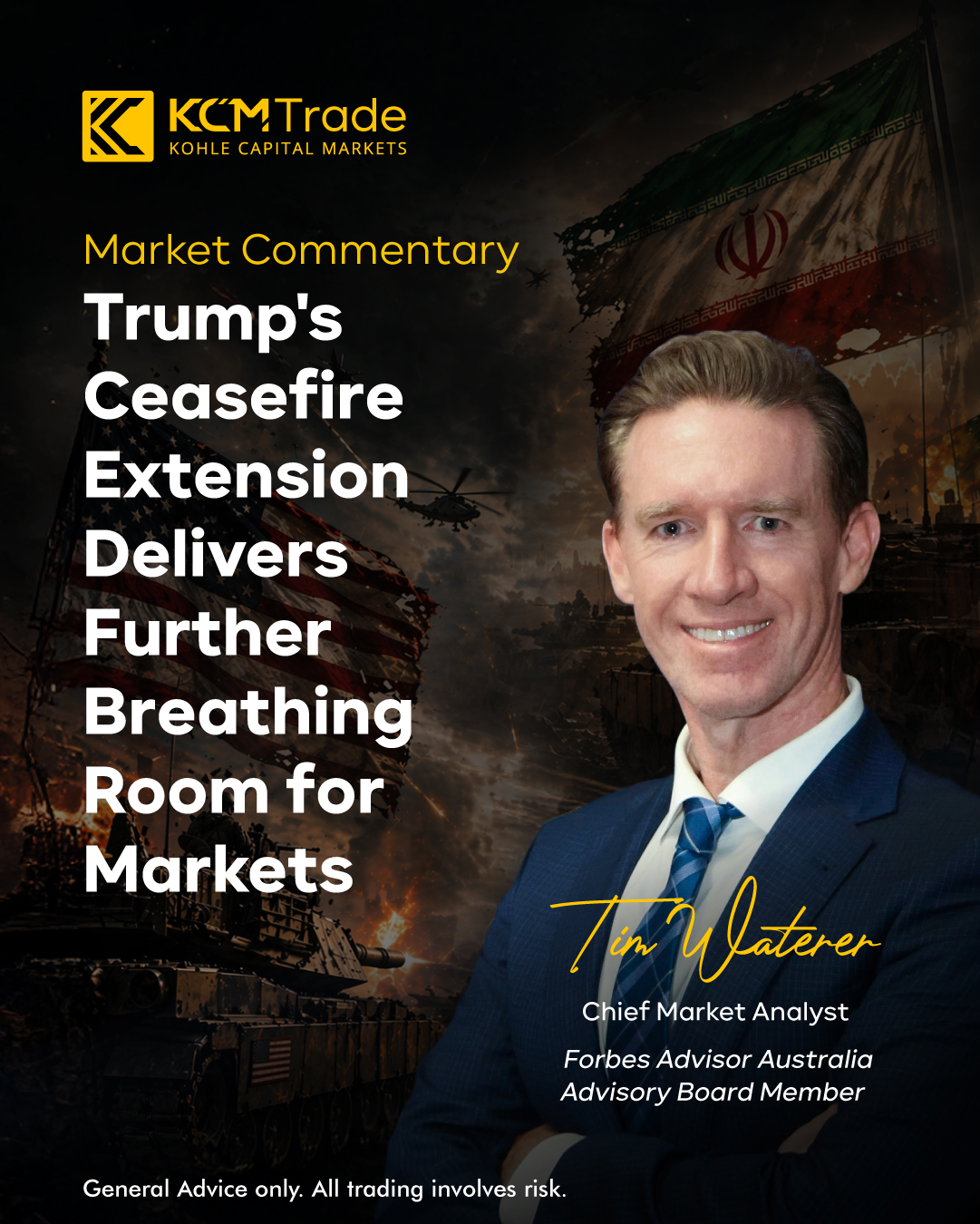
Tuần này có tin tốt và tin xấu cho các tài sản rủi ro. Tin tốt đến (sau khi thị trường Mỹ đóng cửa vào thứ Ba) khi Tổng thống Trump công bố gia hạn lệnh ngừng bắn với Iran. Động thái này giúp kéo dài thời gian và loại bỏ mối đe dọa leo thang ngay lập tức khi hạn chót ban đầu đang đến gần. Tuy nhiên, tin xấu là vòng đàm phán hòa bình thực chất thứ hai vẫn chưa diễn ra, với các quan chức cấp cao của Mỹ như JD Vance vẫn chưa đến Pakistan để đàm phán. Quyết định của Trump về cơ bản kéo dài hiện trạng bất ổn thay vì giải quyết xung đột. Mặc dù việc tạm dừng đã giảm thiểu rủi ro đuôi ngay lập tức, nhưng việc thiếu một bước đột phá thực sự khiến các nhà giao dịch vẫn có xu hướng thận trọng hơn là giao dịch với sự tin tưởng thực sự.
Giá dầu tăng khi hạn chót ngừng bắn đến gần, phản ánh nỗi lo rằng giao tranh có thể tiếp diễn và làm gián đoạn nguồn cung hơn. Sau đó, họ đã giảm bớt sau khi có tin gia hạn. Dầu thô vẫn rất nhạy cảm trong môi trường chủ đề này. Cả Mỹ và Iran đều tiếp tục các phiên bản phong tỏa riêng của mình, với Mỹ duy trì sự hiện diện hải quân quanh các cảng Iran và Iran hạn chế di chuyển tàu chở dầu để đáp trả. Cả hai kịch bản đều không phải là tin tốt cho chuỗi cung ứng năng lượng toàn cầu. Các hạn chế kéo dài tại điểm nghẽn quan trọng này có nguy cơ chi phí logistics cao hơn, tồn kho khan hiếm hơn và áp lực lạm phát trở lại trong tương lai, ngay cả khi giá giao ngay hiện có vẻ tương đối được kiểm soát.

Tiền tệ cũng phản ánh bức tranh vĩ mô hỗn hợp. Đồng Đô la Mỹ nhận được cú tăng mới nhờ doanh số bán lẻ Mỹ mạnh hơn dự kiến và dữ liệu doanh số bán nhà sắp tới được công bố vào thứ Ba, cả hai đều cho thấy hoạt động tiêu dùng và nhà ở vẫn bền vững mặc dù chi phí năng lượng tăng cao. Tăng cường giọng điệu thân thiện với đồng đô la, ứng viên Chủ tịch Fed Kevin Warsh đã sử dụng phiên điều trần xác nhận để nhấn mạnh rằng ông sẽ bảo vệ nghiêm ngặt sự độc lập của ngân hàng trung ương nếu được xác nhận. Những phát biểu của ông càng củng cố kỳ vọng về một chính sách ổn định ở Washington, hỗ trợ đồng đô la và giữ cho lợi suất thực được hỗ trợ tốt.
Trong
khi đó, vàng đã mất kiểm soát ở mức 4.800 đô la. Đồng đô la mạnh hơn và dữ liệu vĩ mô Mỹ cứng nhắc hơn làm tăng chi phí cơ hội khi giữ kim loại không lợi suất này, thúc đẩy một số hoạt động lợi nhuận sau những lợi nhuận gần đây. Những bất ổn địa chính trị vẫn cung cấp sự hỗ trợ cơ bản, nhưng hiện tại kim loại vàng dường như đang bị mắc kẹt, chờ đợi tín hiệu giảm leo thang rõ ràng hơn hoặc sự tăng đột biến trong sự e ngại rủi ro mới. Đối với vàng, các mức cần chú ý bao gồm hỗ trợ quanh $4660, với kháng cự chờ tại $4800 và $4890.

Nhìn về phía trước, thứ Năm sẽ mang đến hàng loạt báo cáo PMI sản xuất và dịch vụ tại các khu vực lớn, có thể mang lại cái nhìn mới về động lực tăng trưởng toàn cầu. Vào thứ Sáu, các chỉ số CPI cốt lõi của Nhật Bản sẽ được theo dõi sát sao để phát hiện dấu hiệu lạm phát kéo dài ở nền kinh tế lớn thứ ba thế giới. Trong khi đó, mùa báo cáo kết quả kinh doanh quý 1 của Mỹ vẫn tiếp tục với những báo cáo đáng chú ý từ Tesla, Boeing và Intel là những điểm nổi bật. Những kết quả này sẽ giúp đánh giá cách các tập đoàn Mỹ đang điều hướng chi phí năng lượng cao hơn và các rào cản trong chuỗi cung ứng.
Việc gia hạn lệnh ngừng bắn của Trump đã mang lại không gian thở đáng hoan nghênh, nhưng sự kết hợp giữa các lệnh phong tỏa liên tục của cả Mỹ và Iran, cùng với việc thiếu vắng các cuộc đàm phán hòa bình có ý nghĩa, vẫn khiến các thị trường tài chính rơi vào trạng thái lấp lửng về việc giải quyết cuối cùng của xung đột. Việc dầu giao dịch dưới 100 USD vẫn tương đối chấp nhận được đối với các tài sản rủi ro và cổ phiếu, giúp ngăn chặn một đợt bán tháo mạnh hơn. Cho đến khi chúng ta chứng kiến một đột phá ngoại giao bền vững hoặc một đợt leo thang mới, hãy dự đoán giao dịch sẽ dao động, theo phạm vi với tâm lý vẫn thận trọng thay vì lạc quan hoàn toàn.

.jpg)

.jpg)
%20(1).jpg)
.jpg)
.jpg)